
Step-by-Step Guide to Planning a Bar Crawl Route That Maximizes Efficiency and Minimizes Travel Time in Seattle, WA
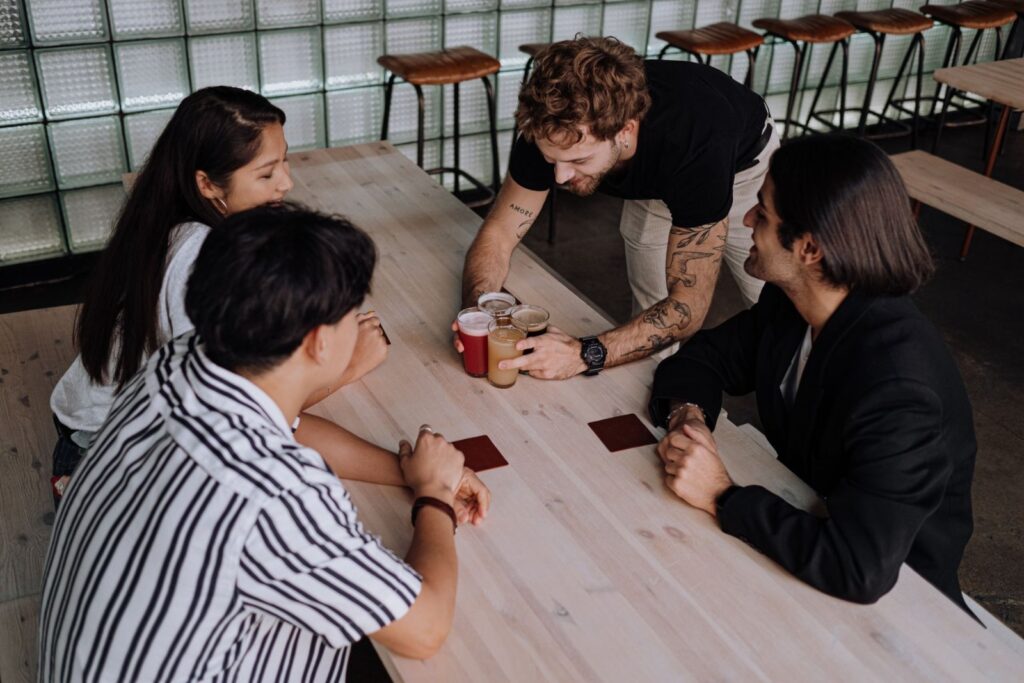
There’s something magical about a well-executed bar crawl. Friends laughing, drinks flowing, and the city coming alive around you as you move from one great spot to the next. But there’s also something painfully memorable about a poorly planned bar crawl — the kind where you spend 40 minutes walking in the wrong direction, wait in lines that stretch around the block, and end the night wondering why you’re exhausted before midnight.
If you’re planning a bar crawl in Seattle, WA, you’re in luck. The Emerald City is one of the most bar-crawl-friendly cities in the Pacific Northwest, packed with vibrant neighborhoods, world-class craft cocktail bars, beloved dive bars, and everything in between. But Seattle’s hilly terrain, one-way streets, and spread-out nightlife districts mean that route planning really matters.
Whether you’re organizing a birthday bash, a bachelorette party, a casual night out with friends, or joining a professionally organized event like those hosted by Barcrawlerz, this guide will walk you through every step of crafting a bar crawl route that keeps the good times rolling and the unnecessary walking to a minimum.
Why Route Planning Makes or Breaks Your Bar Crawl Experience
Before we dive into the how-to, let’s talk about why this matters so much. A bar crawl is supposed to be fun — spontaneous, social, and celebratory. But “spontaneous” doesn’t mean “unplanned.” In fact, the most effortlessly fun bar crawls are usually the ones that had the most thought put into them beforehand.
Poor routing leads to a cascade of problems: fatigue sets in early, group members start dropping off, someone inevitably gets frustrated, and the night loses its momentum. On the other hand, a well-planned route keeps energy high, minimizes downtime between bars, and lets everyone focus on what really matters — having a great time.
“The best bar crawls feel like they’re running themselves. That’s not luck — that’s good planning.”
In Seattle specifically, this is especially true. The city’s geography is genuinely challenging. You’ve got Capitol Hill on a slope, Pioneer Square tucked near the waterfront, Belltown right next to downtown, and South Lake Union a quick jaunt away. Knowing how these neighborhoods connect — and how long it actually takes to walk between them — is the difference between a smooth night and a slog.
Step 1: Define Your Group’s Goals and Vibe
Every great bar crawl starts with a conversation, not a map. Before you plot a single route, you need to understand what your group actually wants out of the evening. This shapes every decision that follows.
How Many People Are Coming?
Group size dramatically affects your planning. A group of four can walk into almost any bar without a reservation and get served quickly. A group of twenty needs to call ahead, think about capacity, and possibly arrange private areas. Seattle bars vary wildly in size — some Capitol Hill spots are cozy and intimate, while others in Belltown have sprawling multi-level layouts perfect for big groups.
What’s the Occasion?
A bachelorette party has different energy than a casual Friday night with coworkers. A 21st birthday crawl calls for a different vibe than a craft beer tour with your homebrew club. Knowing the occasion helps you select bars that match the mood and create a cohesive experience rather than a random collection of stops.
What Are the Drink Preferences?
Seattle has an incredible range of bar types. You’ve got craft cocktail lounges in Capitol Hill, dive bars in Pioneer Square, rooftop bars in South Lake Union, whiskey bars near Pike Place Market, and craft beer taprooms scattered across almost every neighborhood. Knowing whether your group leans toward cocktails, beer, or a mix of everything helps you curate stops that everyone will genuinely enjoy.
What’s the Budget?
Seattle’s bar scene ranges from $4 happy hour pints to $22 artisan cocktails. Setting a rough per-person budget early helps you select stops that won’t leave anyone feeling financial regret the next morning.
Step 2: Choose Your Seattle Neighborhood or Corridor
One of the most important decisions you’ll make is whether to stay within one neighborhood or move across multiple districts. Both approaches have merit, and the right choice depends on your group’s goals.
Staying in One Neighborhood
If minimizing travel time is your top priority, staying within a single neighborhood is the smartest move. Seattle’s best single-neighborhood bar crawl destinations include:
Capitol Hill: This is arguably Seattle’s bar crawl capital. The stretch along Pike Street, Pine Street, and Broadway is densely packed with bars of every variety — from legendary dive bars to upscale cocktail lounges to LGBTQ+ friendly spots. You can easily visit six to eight bars within a few walkable blocks. The neighborhood has character, great lighting at night, and plenty of late-night food options to keep the group fueled.
Pioneer Square: Seattle’s oldest neighborhood is home to some of its most iconic bars. The cobblestone streets and historic brick buildings create an atmospheric backdrop for a crawl. Pioneer Square bars tend to be more relaxed and spacious, which is great for larger groups. It’s also conveniently close to the waterfront if you want to start or end near the water.
Belltown: Located just north of downtown, Belltown offers a mix of upscale cocktail bars, live music venues, and casual neighborhood spots. It’s compact, relatively flat (a blessing in hilly Seattle), and well-served by rideshare pickup zones.
Multi-Neighborhood Routes
For groups that want variety and are willing to use rideshares or the light rail between stops, a multi-neighborhood crawl can be an unforgettable adventure. A popular Seattle multi-neighborhood route moves from Pioneer Square to Belltown to Capitol Hill, hitting three distinct vibes in one night. The key is planning your transitions carefully so you’re not waiting 20 minutes for rides between every stop.
Step 3: Research and Select Your Bars Strategically
Now comes the fun part — picking the actual bars. But don’t just list your favorites randomly. Think strategically about the order and spacing of your stops.
Aim for Four to Seven Stops
The sweet spot for most bar crawls is between four and seven stops. Fewer than four and it barely feels like a crawl. More than seven and people start dropping off, energy wanes, and the night drags. If you want a longer event, plan for some stops to be quick drinks (20-30 minutes) and others to be longer hangouts (45-60 minutes).
Mix Bar Types for a Dynamic Experience
Variety keeps the crawl exciting. Consider structuring your stops to move through different types of venues:
- Start with a relaxed, lower-key bar where the group can gather and warm up socially
- Move into a livelier mid-crawl spot with good music or a fun atmosphere
- Hit a standout destination bar — the one everyone’s been looking forward to
- End at a high-energy venue or a late-night spot with a great dance floor or live music
Check Hours and Capacity in Advance
Nothing derails a bar crawl faster than arriving at a bar that’s at capacity, closed for a private event, or inexplicably shuttered for the night. Always call ahead for larger groups, check Google hours, and look up any special events that might affect availability. Seattle’s bar scene is vibrant but can be unpredictable, especially on weekends.
Consider Happy Hour Timing
Seattle has some genuinely excellent happy hour deals, and many run until 7:00 or 8:00 PM. If you’re starting your crawl in the early evening, you can save your group real money by timing your first stop or two to coincide with happy hour. This is especially useful for larger groups where drink costs add up quickly.
Step 4: Map Your Route for Minimum Walking Distance
This is where planning becomes a bit of a puzzle — and where you can really shine as a crawl organizer. The goal is to plot your stops in a logical geographic order so you’re never backtracking or making inefficient detours.
Use Google Maps or a Similar Tool
Start by dropping pins for every bar you’re considering. Google Maps lets you create custom maps with multiple stops, which is perfect for this purpose. Once all your pins are in place, look at the overall shape of your route. Does it flow in a logical direction, or does it zigzag back and forth across the neighborhood?
Aim for a route that moves in roughly one direction — from point A to point B — rather than looping back on itself. In Capitol Hill, for example, you might start at the lower end of the hill near Pike/Pine and work your way up Broadway, finishing at a spot on the north end of the neighborhood.
Account for Seattle’s Topography
Seattle is famously hilly, and this matters more than people expect when planning a walking route. Walking uphill between bars is fine early in the night but can feel brutal by stop four or five. Whenever possible, plan your route to move downhill as the evening progresses. Your group’s legs — and morale — will thank you.
Calculate Actual Walking Times
Don’t just eyeball distances on a map. Use Google Maps to get actual walking times between each stop. A block in Capitol Hill can take very different amounts of time depending on the slope and the street layout. Build in a buffer of a few extra minutes at each transition — groups rarely walk as fast as a solo pedestrian, especially as the night goes on.
Identify Rideshare Pickup Zones
If your route includes transitions between neighborhoods, identify good rideshare pickup spots near each bar in advance. In Seattle, some streets are better than others for pickups — busy areas like Broadway on Capitol Hill or 1st Avenue in Belltown can have longer wait times on weekend nights. Knowing where to walk for a quick pickup saves time and frustration.
Step 5: Plan Your Timing and Pacing
Even the most perfectly mapped route can fall apart without good timing. Pacing your crawl is an art form, and it’s one of the areas where experienced organizers really shine.
Set a Start Time That Makes Sense
In Seattle, bars tend to get busy after 9:00 PM on weekends. If you want to avoid long waits and crowded spaces at your first few stops, consider starting your crawl between 6:00 and 7:00 PM. This gives you a relaxed entry into the evening, lets you catch happy hour deals, and means you’ll hit the more energetic stops later in the night when the city’s nightlife is in full swing.
Assign Approximate Time Slots to Each Stop
Create a loose schedule that assigns a time window to each bar. Something like:
- Bar 1: 6:30 – 7:30 PM (casual opener, happy hour)
- Bar 2: 7:45 – 8:30 PM (slightly livelier, cocktail-focused)
- Bar 3: 8:45 – 9:45 PM (destination bar, longer stay)
- Bar 4: 10:00 – 11:00 PM (high-energy, dance floor or live music)
- Bar 5: 11:15 PM onward (late-night finale)
This doesn’t need to be rigid — flexibility is part of what makes a crawl fun. But having a rough framework helps keep the group moving and prevents anyone from getting too comfortable at one spot while others are eager to move on.
Designate a “Wrangler” for the Group
Every group needs someone who’s responsible for keeping things moving. This person is the unofficial event coordinator — they’re the one saying “Okay, we’ve been here 45 minutes, let’s head to the next spot!” This role is crucial for larger groups. The wrangler doesn’t have to be bossy, just enthusiastic and organized.
Step 6: Think About Food, Water, and Logistics
A great bar crawl isn’t just about the drinks. Keeping your group hydrated, fed, and logistically sorted is what separates a legendary night from a regrettable one.
Plan a Food Stop or Snack Break
Seattle has incredible late-night food options near most major bar districts. Pioneer Square has excellent pizza spots. Capitol Hill has everything from tacos to ramen. Building in a food stop — either at a bar that serves food or at a nearby restaurant — helps pace the alcohol consumption and keeps energy levels up. Plan this around the midpoint of your crawl.
Encourage Water Breaks
It sounds obvious, but it’s easy to forget. Remind your group to drink water between rounds. Many Seattle bars will happily provide water — just ask. Staying hydrated keeps everyone feeling better and extends the fun well into the night.
Arrange Transportation for the End of the Night
Seattle’s public transit is reasonably good, but late-night options are more limited. Plan ahead for how everyone is getting home. Designate drivers, pre-arrange rideshares, or identify which group members are staying nearby. Having this conversation before the crawl starts means no one is scrambling at 1:00 AM.
Step 7: Consider Joining a Professionally Organized Bar Crawl
If all of this planning sounds like a lot of work — it can be! That’s exactly why professionally organized bar crawls have become so popular in Seattle. Services like Barcrawlerz take all the logistical heavy lifting off your shoulders, delivering a curated, efficient, and genuinely fun crawl experience without the planning headache.
Barcrawlerz specializes in organized bar crawl events that bring together groups of people for a structured, social night out. They’ve already done the neighborhood research, negotiated with venues, mapped the most efficient routes, and built in the timing that makes for a smooth experience. For groups that want the fun of a bar crawl without the organizational stress, this is an excellent option.
“The best thing about a well-organized bar crawl is that everyone gets to be a guest — nobody has to be the stressed-out planner all night.”
Even if you’re planning your own crawl, studying how professional organizers structure their events can give you great insights. Look at what neighborhoods they favor, how many stops they typically include, and how they handle large group logistics.
Step 8: Communicate the Plan to Your Group
You’ve done all this planning — now make sure everyone actually knows what’s happening. Communication before the event is just as important as the planning itself.
Share the Route and Schedule in Advance
Send out a simple itinerary a day or two before the crawl. Include the name and address of each bar, the approximate time you’ll be there, and any important notes (dress code, cover charge, etc.). A shared Google Doc or a group text thread works perfectly for this.
Set a Clear Meeting Point and Time
Designate a specific meeting spot for the start of the crawl — not just the bar, but a specific area outside or inside the bar. “Meet at the corner of Pike and Broadway at 6:30 PM” is much clearer than “meet at Bar X.” This avoids the classic scenario where half the group is inside and half is waiting outside.
Establish a Late Policy
Decide in advance how long you’ll wait for stragglers before moving to the next stop. Being clear about this upfront prevents awkward situations and keeps the crawl on track. A common approach: wait 10 minutes past the scheduled departure time, then move on and trust that latecomers can catch up.
Step 9: Build in Flexibility for Spontaneous Moments
Here’s the thing about planning — you want enough structure to keep things efficient, but not so much rigidity that you kill the spontaneity that makes bar crawls magical. Leave room for the unexpected.
Maybe you stumble across a bar with live music that’s so good you want to stay an extra 20 minutes. Maybe a stop on your list has an unexpectedly long line and you decide to skip it. Maybe someone in the group discovers a hidden gem alley bar you didn’t know existed. These moments are part of the joy of exploring Seattle’s nightlife.
The route you’ve planned is a framework, not a prison. Use it as a guide, but stay open to the magic of the night unfolding in its own way.
Bonus Tips for Seattle Bar Crawl Success
Dress for the Weather
Seattle weather is famously unpredictable. Even on a warm summer evening, temperatures can drop significantly after dark, and rain is never entirely out of the question. Encourage your group to dress in layers and keep a light jacket handy. Nothing kills crawl energy like shivering between bars.
Download the Right Apps
Have Google Maps ready for navigation, Lyft or Uber for rideshares, and Yelp for last-minute bar research. A quick Yelp search can save you from walking to a bar that’s closed or has terrible reviews for service speed on busy nights.
Respect the Bars and Their Staff
Seattle’s bar community is tight-knit and deeply values respectful customers. Tip generously, be patient during busy periods, and treat bartenders and servers with genuine courtesy. Groups that are known for being fun and respectful often get better service, faster drinks, and sometimes even a round on the house.
Take Photos and Capture Memories
Designate someone as the unofficial photographer for the night, or rotate the responsibility. Bar crawls are great memory-makers, and having photos to look back on is always worth it. Just don’t let phone time replace actual conversation and connection — the whole point is to be present with your people.
Putting It All Together: Your Seattle Bar Crawl Blueprint
Let’s quickly recap the full planning process so you have a clear action plan to work from:
1. Define your group’s goals, size, occasion, drink preferences, and budget. This shapes every other decision.
2. Choose your neighborhood or corridor. Capitol Hill, Pioneer Square, and Belltown are all excellent choices for efficient, walkable crawls in Seattle.
3. Research and select four to seven bars that offer variety, match your group’s vibe, and are geographically clustered.
4. Map your route using Google Maps, optimize for minimum walking distance, account for Seattle’s hills, and identify rideshare zones for any neighborhood transitions.
5. Plan your timing with a loose schedule, a smart start time, and a designated group wrangler to keep things moving.
6. Think about logistics — food stops, water breaks, and end-of-night transportation.
7. Consider professional options like Barcrawlerz if you want expert-level organization without the DIY effort.
8. Communicate the plan clearly to your group with a shared itinerary, a specific meeting point, and a late policy.
9. Stay flexible and let the night breathe. The plan is a guide, not a rulebook.
Final Thoughts: Seattle Is Made for Bar Crawls
Seattle’s nightlife scene is genuinely one of the best in the country. The combination of world-class craft cocktail culture, a thriving craft beer scene, historic dive bars, and innovative new venues means there’s always something exciting to discover. And when you add Seattle’s stunning urban landscape — the waterfront views, the glittering city lights, the atmospheric historic districts — you’ve got a setting that makes every bar crawl feel like a little adventure.
With the right planning, your bar crawl can be the kind of night people talk about for years. The kind where everything just clicks — the route flows, the drinks are great, the group is energized, and the city feels like it’s putting on a show just for you.
So gather your crew, do a little homework, and get ready to experience Seattle’s nightlife the way it’s meant to be experienced — one great bar at a time. And if you want the pros to handle the heavy lifting, check out what Barcrawlerz has to offer. Sometimes the best night out starts with letting someone else do the planning.
Cheers to a great crawl — and to the Emerald City doing what it does best.