
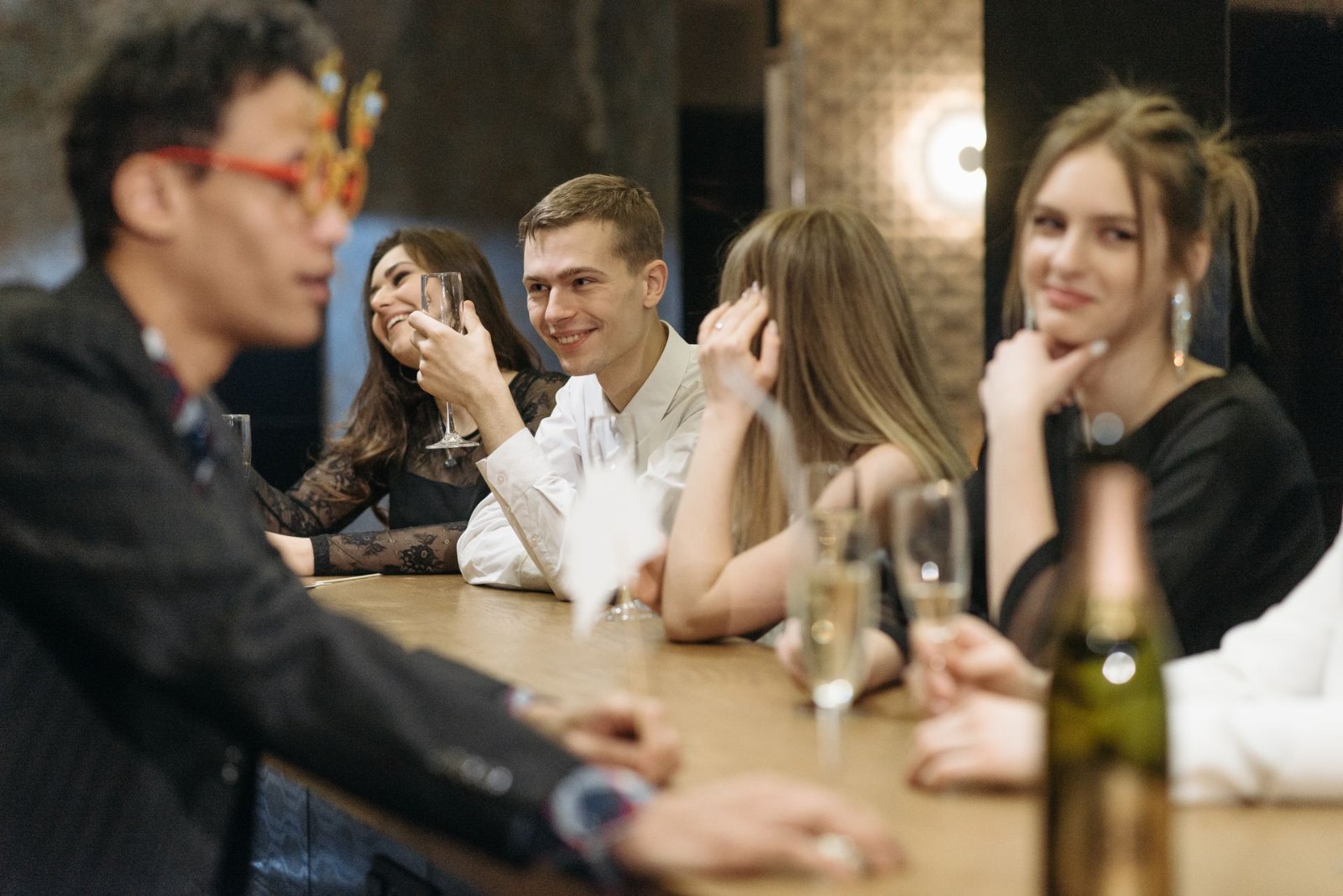
Seattle has a vibrant, electric bar scene. From the craft beer havens of Capitol Hill to the buzzing cocktail lounges along Pike Street, there’s no shortage of places to explore with friends on a Friday night. Social bar crawling — the art of moving from bar to bar with a group of friends — has become one of the city’s most beloved social rituals. It’s a way to discover new venues, bond with old friends, make new ones, and experience the city’s nightlife culture in a genuinely communal way.
But here’s the thing nobody talks about enough: bar crawling, done without intention, can quietly chip away at the very health benefits it’s supposed to offer. Yes, you read that right. Social bar crawling, when approached thoughtfully, actually carries legitimate wellness benefits — improved social connection, reduced stress, a sense of community, and even some cardiovascular benefit from all that walking. The problem? Most people undermine every single one of those benefits by ignoring two fundamental habits: hydration and pacing.
This article is for the Seattle bar crawlers who want to actually feel good — not just during the crawl, but the next morning too. Whether you’re joining an organized event through a group like Barcrawlerz or planning your own route through Belltown, this guide will help you protect your health while still having the time of your life.
The Real Health Benefits of Social Bar Crawling (When Done Right)
Before we dive into what people get wrong, let’s acknowledge what they can get right. Social bar crawling isn’t just a night out — it’s a structured social experience that carries measurable wellness advantages when approached with care.
Social Connection and Mental Health
Research consistently shows that strong social bonds are one of the most powerful predictors of long-term health and longevity. In an era where loneliness is being called a public health crisis, intentional social activities like bar crawls serve a genuinely meaningful purpose. Walking from venue to venue with a group of friends — laughing, talking, sharing experiences — activates the brain’s reward systems in ways that passive socializing (like scrolling social media) simply cannot replicate.
Seattle, despite its reputation for the so-called “Seattle Freeze,” actually has a deeply social bar culture. Events organized by groups like Barcrawlerz are specifically designed to break down social barriers and help people connect authentically. That’s a real, tangible mental health benefit — but only if you’re present enough to enjoy it.
Physical Activity and Light Cardiovascular Exercise
A well-planned bar crawl in Seattle can involve walking several miles over the course of an evening. Moving between Capitol Hill, First Hill, and downtown on foot adds up quickly. That’s genuine low-intensity cardiovascular activity — the kind that improves circulation, burns calories, and supports heart health. The problem is that alcohol dehydration and poor pacing can turn that pleasant evening stroll into a stumbling, exhausted shuffle that does more harm than good.
Stress Relief and Mood Elevation
Moderate social drinking in a positive environment has been shown in some studies to temporarily reduce cortisol levels and improve mood. Key word: moderate. The social laughter, the shared stories, the sense of belonging — these are stress-relieving in their own right, independent of alcohol consumption. But when you drink too fast, skip water, and crash your blood sugar by hour three, the stress relief evaporates and anxiety takes its place.
The Two Habits Most Seattle Bar Crawlers Overlook
Now let’s get into the heart of the matter. Two habits — hydration and pacing — are consistently overlooked by bar crawlers, and their neglect systematically destroys the health benefits outlined above. Here’s why each one matters so much.
Hydration: The Overlooked Foundation of a Healthy Night Out
Alcohol is a diuretic. This isn’t new information, but it’s information that people consistently fail to act on. When you drink alcohol, your kidneys produce more urine than usual, which means your body is losing fluids faster than it’s taking them in. In a city like Seattle, where bar crawls often happen in the cooler months, people mistakenly assume they don’t need to worry about hydration the way they would in summer heat. That’s a dangerous misconception.
“Dehydration doesn’t care what the temperature is outside. Alcohol-induced dehydration happens regardless of the weather, and it compounds with every drink you skip water between.”
The consequences of dehydration during a bar crawl are significant and immediate. Cognitive function declines faster, meaning you’re more impaired on fewer drinks than you’d expect. Your mood regulation deteriorates, which is why people often get irritable or emotionally volatile late in a night out. Your physical coordination suffers, increasing the risk of trips and falls on Seattle’s notoriously uneven sidewalks and steep hills. And of course, the next-day hangover — headache, fatigue, nausea — is largely a dehydration symptom.
How Dehydration Undermines Every Health Benefit
Think about the benefits we listed earlier. Social connection? Hard to be genuinely present and engaged when your brain is foggy from dehydration. Physical activity? Difficult to enjoy a walk through Capitol Hill when you’re dizzy and your heart is racing. Stress relief? Dehydration actually elevates cortisol levels, the very stress hormone you were trying to reduce.
In short, ignoring hydration doesn’t just make the night less fun — it actively reverses the positive effects that social bar crawling can have on your health.
What Proper Hydration During a Bar Crawl Actually Looks Like
The standard advice — “drink a glass of water between every alcoholic drink” — is actually pretty solid guidance, but most people treat it as optional. Here’s a more practical framework for a Seattle bar crawl:
Before the crawl: Drink 16–20 ounces of water before your first drink. This pre-hydration creates a buffer. If you’re meeting your group at a starting point in Belltown or Pioneer Square, get there a few minutes early and drink a full glass of water before the first round is ordered.
During the crawl: At every venue, order water alongside your drink. Not as an afterthought — as a standard order. When you sit down or belly up to the bar, your first request should include water. Many Seattle bars will bring it automatically if you ask; some of the better ones will keep it refilled without prompting.
Between venues: The walk between bars is a perfect hydration opportunity. Carry a small water bottle if you’re comfortable doing so, or make a point to drink water at the end of each stop before heading to the next one.
After the crawl: Before bed, drink another 16–20 ounces of water. This is perhaps the single most impactful thing you can do to reduce next-morning symptoms.
Pacing: The Art of Sustaining the Experience
Pacing is the second major habit that bar crawlers overlook, and it’s arguably more nuanced than hydration. Pacing refers to both the speed at which you consume alcohol and the overall rhythm of the evening — how long you spend at each venue, how quickly you move from place to place, whether you eat, and how you manage your energy throughout the night.
In the excitement of a social bar crawl — especially one organized by a group like Barcrawlerz, where the energy is high and the social atmosphere is electric — it’s incredibly easy to lose track of your pace. The first bar is exciting, so you drink quickly. The second bar has a great happy hour special, so you grab two drinks. By bar three, you’re already past your comfortable limit, and the rest of the evening becomes a blur rather than a memory.
“The goal of a bar crawl isn’t to drink as much as possible at each stop — it’s to experience as many stops as possible while still being present enough to actually enjoy them.”
The Physiology of Pacing and Why It Matters
Your liver can metabolize approximately one standard drink per hour. This isn’t a suggestion — it’s a biological fact. When you drink faster than that rate, alcohol accumulates in your bloodstream faster than your body can process it. Blood alcohol concentration (BAC) rises, and with it, every negative effect of alcohol intensifies: impaired judgment, slowed reaction time, emotional dysregulation, and increased dehydration.
From a health perspective, pacing yourself to roughly one drink per hour — or slower — keeps your BAC at a level where the social and mood-lifting benefits of moderate alcohol consumption can actually manifest without the negative consequences overwhelming them. This is the sweet spot that most bar crawlers blow past within the first hour.
Pacing Strategies That Actually Work in Practice
Knowing you should pace yourself and actually doing it are two different things, especially in a social environment where everyone around you is drinking and the atmosphere is celebratory. Here are some concrete strategies:
Choose lower-ABV options strategically: Seattle’s craft beer scene is extraordinary, and many of the city’s best breweries offer session beers — lower-alcohol options that let you enjoy more drinks over more stops without exceeding your limit. A 4% session IPA at one of Seattle’s craft taprooms is a very different proposition than a 9% double IPA.
Use mocktails and non-alcoholic options as spacers: The non-alcoholic beverage scene in Seattle has exploded in recent years. Many bars now offer sophisticated mocktails, NA beers, and alcohol-free cocktails that are genuinely enjoyable. Ordering one of these every other stop isn’t a sign of weakness — it’s a sign of intelligence. You stay social, you stay hydrated, and you stay present.
Eat before and during the crawl: Food slows alcohol absorption significantly. A proper meal before a bar crawl is non-negotiable if you’re serious about pacing. And if the crawl is long, don’t skip the food stops. Many Seattle bar crawl routes pass by excellent late-night food options — street food, quick-service spots, food trucks. Use them.
Set a personal drink limit before you start: Decide before the first drink how many you’re going to have over the course of the evening. Write it down if you need to. Share it with a friend who can help hold you accountable. It sounds overly structured for a fun night out, but having that intention set before the social pressure and alcohol begin to influence your decision-making is genuinely effective.
How Seattle’s Bar Scene Specifically Challenges Hydration and Pacing
Seattle presents some unique environmental factors that make hydration and pacing particularly important — and particularly easy to overlook.
The Hill Problem: Seattle’s Topography and Physical Exertion
Seattle is famously hilly. Capitol Hill, Queen Anne, First Hill, Beacon Hill — the city’s neighborhoods are separated by serious elevation changes. A bar crawl that moves through these neighborhoods involves real physical exertion. Walking uphill while dehydrated and drinking is a recipe for exhaustion that hits faster than people expect. The physical demands of navigating Seattle’s terrain mean your hydration needs are higher than they would be in a flat city.
Seattle’s Craft Cocktail and Craft Beer Culture
Seattle is home to some of the most talented bartenders and brewers in the country. The drinks are exceptional — and often stronger than people realize. A beautifully crafted cocktail at a Capitol Hill bar might contain two or three ounces of spirit. A carefully brewed double IPA from a local taproom might clock in at 8–10% ABV. When you’re bar crawling and sampling the best of what Seattle has to offer, it’s easy to consume far more alcohol than you’d planned simply because each individual drink is so well-made and enjoyable.
This is one of the reasons that organized bar crawl events through groups like Barcrawlerz can actually be beneficial — a well-organized crawl will often include guidance on venue selection, timing, and sometimes even food stops that help participants pace themselves more effectively than they would on their own.
The Social Pressure Dynamic in Group Settings
Group dynamics in bar crawling are powerful. When everyone around you is ordering another round, the social pressure to keep up is real. Seattle’s social culture tends to be inclusive and communal, which is wonderful — but it can also mean that saying “I’ll just have water this round” feels awkward or out of place. Building a group culture where hydration and pacing are normalized, not stigmatized, is an important part of making bar crawls genuinely healthy social experiences.
The Long-Term Health Picture: Why These Habits Matter Beyond One Night
It’s easy to frame hydration and pacing as strategies for avoiding a hangover — and they are that. But the implications go deeper than the next morning.
Chronic Dehydration and Its Cumulative Effects
If you’re a regular bar crawler — someone who goes out with groups weekly or bi-weekly — consistently poor hydration habits add up over time. Chronic mild dehydration affects kidney function, skin health, cognitive performance, and energy levels. The cumulative effect of regularly drinking alcohol without adequate water intake can be significant even if no single night seems particularly excessive.
Sleep Quality and Recovery
Alcohol disrupts REM sleep, and dehydration compounds this effect. Poor sleep quality is one of the most damaging things you can do to your long-term health — it affects everything from immune function to mental health to cardiovascular health. Bar crawlers who practice good hydration and pacing consistently report better sleep quality after nights out, which means better recovery and better overall health over time.
The Mental Health Connection
Alcohol is a depressant, and while moderate consumption in a positive social setting can temporarily elevate mood, excessive consumption reliably leads to next-day anxiety and low mood — sometimes called “hangxiety.” For people who bar crawl regularly, this cycle of mood elevation followed by next-day depression can gradually erode mental health. Good pacing keeps alcohol consumption in the range where mood benefits are genuine and lasting, rather than followed by a crash.
Practical Tips for Your Next Seattle Bar Crawl
Let’s bring this all together with a practical, actionable guide for your next night out in Seattle — whether you’re joining an organized event with Barcrawlerz or planning your own route through the city’s incredible neighborhoods.
Before You Go Out
Eat a real meal — not a snack, a meal. Protein, healthy fats, and complex carbohydrates will slow alcohol absorption and give you sustained energy for the evening. Drink 16–20 ounces of water before your first drink. Plan your route in advance so you know what you’re getting into — how many stops, how much walking, how long the evening will run. Set your personal drink limit and share it with a trusted friend in the group.
During the Crawl
Order water at every stop — not as an afterthought, as a habit. Alternate alcoholic drinks with non-alcoholic options. Choose lower-ABV options when you want to keep drinking without increasing your BAC. Take your time at each venue; the point is to enjoy the atmosphere, not to rush to the next stop. Walk at a comfortable pace between venues and use the walking time to breathe, hydrate, and check in with yourself.
Recognizing When to Slow Down
Know your personal warning signs. For most people, they include: feeling warmer than the environment warrants, speaking more loudly than usual, losing track of time, feeling noticeably less coordinated, or noticing that your mood has shifted from happy to irritable or overly emotional. When these signs appear, it’s time to switch to water, find a seat, and eat something if possible.
After the Crawl
Drink water before bed — this is the single most impactful post-crawl habit you can build. If you can stomach it, a light snack before sleep can help stabilize blood sugar. Avoid taking pain relievers like acetaminophen before bed when alcohol is in your system, as this combination can stress the liver. Get as much sleep as your schedule allows.
Why Barcrawlerz Gets This Right
Organized bar crawl events, particularly those run by thoughtful operators like Barcrawlerz in Seattle, offer a structural advantage that solo or informal crawls don’t: built-in pacing. When a crawl is organized with specific venues, specific timing, and a guided route, participants naturally move at a pace that’s been planned in advance. There’s less rushing, more structure, and often more opportunity for food, water, and rest between stops.
Beyond structure, organized crawls also create a community culture around bar crawling that can normalize healthier habits. When the group culture includes water breaks, food stops, and a general ethos of enjoying the experience rather than racing through it, individual participants find it much easier to make healthy choices without feeling socially awkward about it.
If you’re in Seattle and you’re serious about making bar crawling a genuinely positive part of your social life — not just a fun night out but an activity that actually contributes to your wellbeing — exploring what Barcrawlerz has to offer is a worthwhile starting point. The best bar crawl experiences are the ones you remember clearly the next morning, feeling good and looking forward to the next one.
Final Thoughts: Bar Crawling as a Wellness Activity
It might sound counterintuitive to frame bar crawling as a wellness activity. But consider what it actually involves when done well: social connection with friends and new acquaintances, physical activity through walking, exploration of your city, stress relief through laughter and shared experience, and moderate, mindful consumption in a celebratory atmosphere. That’s a genuinely positive picture.
The problem isn’t bar crawling — it’s the habits that undermine it. Dehydration and poor pacing are the two culprits that consistently turn a potentially health-positive social experience into a night that leaves you feeling worse than before you went out. The good news is that both of these habits are entirely within your control, and changing them requires nothing more than intention and a little advance planning.
Seattle’s bar scene is too good, and the social experience of exploring it with friends is too valuable, to let avoidable habits get in the way. Drink water. Pace yourself. Eat something. Choose your drinks thoughtfully. Walk the hills. Laugh with your people. And wake up the next morning feeling like the night out actually gave you something, rather than taking something away.
“The best bar crawl is the one you can fully remember, genuinely enjoyed, and feel good about the morning after.”
Seattle is waiting. Go explore it — wisely, hydrated, and at exactly the right pace.