
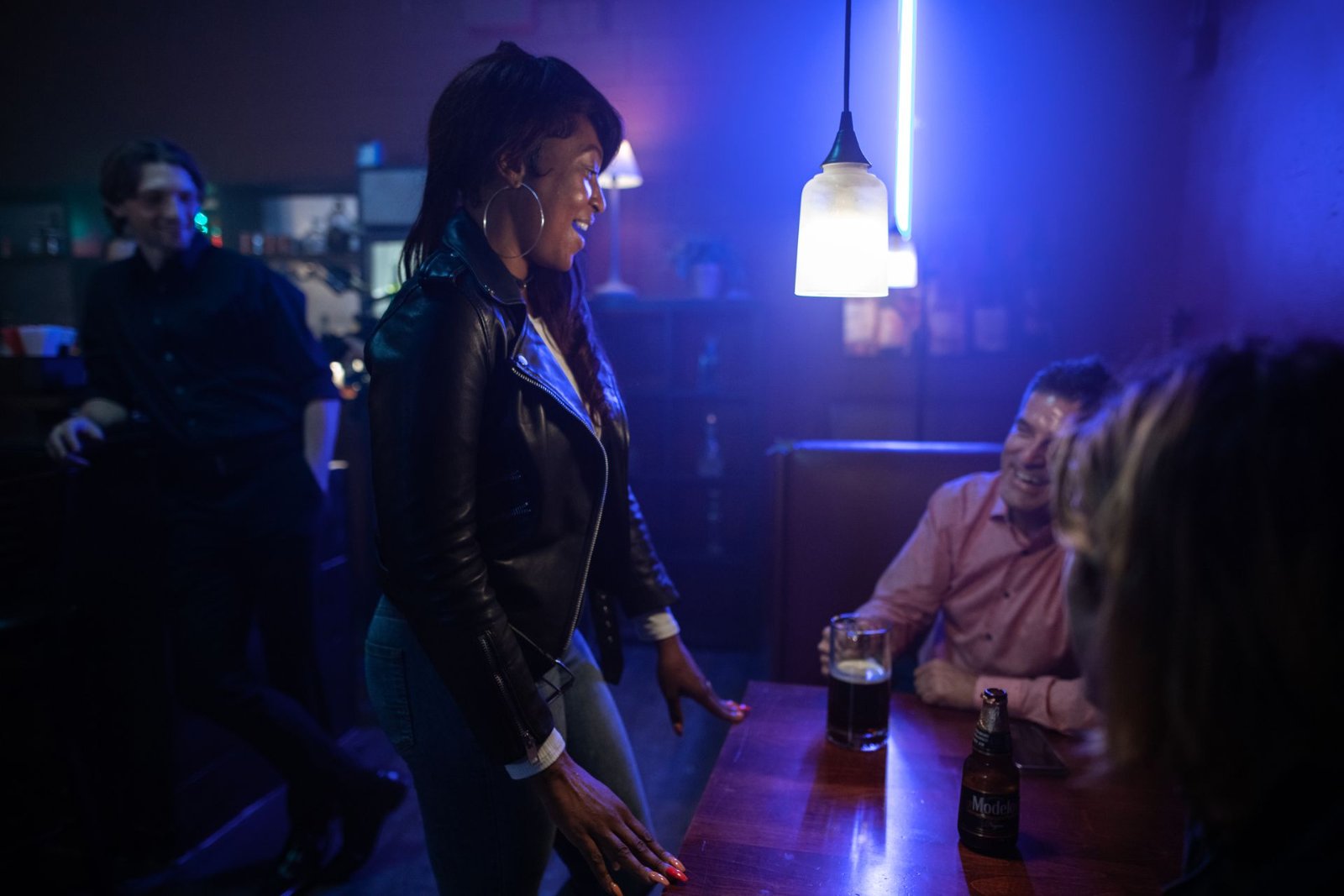
If you’ve ever woken up after a Seattle bar crawl feeling like you were hit by a Sound Transit bus, you’re not alone. The groggy head, the parched throat, the inexplicable urge to never leave your bed again — these are the hallmarks of a night out gone wrong from a sleep perspective. But here’s the thing: it doesn’t have to be that way. In fact, with the right timing and hydration strategies, a bar crawl doesn’t have to wreck your sleep at all.
Yes, you read that correctly. Bar crawls — those gloriously social, neighborhood-hopping adventures through Capitol Hill, Belltown, or Pioneer Square — can actually be enjoyed without completely destroying your body’s recovery cycle. The science backs this up, and so does the experience of seasoned nightlife enthusiasts who’ve cracked the code on how to have a fantastic time without paying for it the next morning.
In this article, we’re going to break down exactly why bar crawls get a bad rap when it comes to sleep, what the research actually says, and how you can use smart hydration strategies and timing tricks to wake up feeling like a human being the morning after. We’ll also give a shoutout to Barcrawlerz, one of Seattle’s go-to organized bar crawl experiences, which has been helping locals and visitors navigate the city’s vibrant nightlife scene in a way that’s genuinely fun and — believe it or not — manageable the next day.
Understanding Why Alcohol Disrupts Sleep in the First Place
Before we can talk about how to prevent sleep disruption, we need to understand the mechanism behind it. Most people assume that alcohol helps you sleep because it makes you feel drowsy. And in a narrow, superficial sense, that’s true — alcohol is a central nervous system depressant, which means it slows down brain activity and can help you fall asleep faster. But that’s where the good news ends.
The REM Sleep Problem
The real issue with alcohol and sleep comes down to REM (Rapid Eye Movement) sleep. REM sleep is the stage of sleep associated with dreaming, memory consolidation, emotional regulation, and cognitive function. It’s arguably the most restorative phase of your sleep cycle, and alcohol is remarkably effective at suppressing it — particularly in the first half of the night.
Research published in the journal Alcoholism: Clinical and Experimental Research found that alcohol consumption before bed significantly reduces REM sleep in the first half of the night. As your body metabolizes the alcohol in the second half of the night, you may experience a “REM rebound,” which can lead to vivid dreams and fragmented sleep. This explains why you might fall asleep quickly after a night out but wake up feeling completely unrested.
Dehydration: The Silent Sleep Killer
Alcohol is a diuretic. This means it causes your kidneys to produce more urine, leading to increased fluid loss. When you’re dehydrated, your body struggles to regulate temperature, your blood volume decreases, and your heart has to work harder — all of which interfere with sleep quality. Dehydration can also cause muscle cramps, headaches, and dry mouth, all of which are notorious for waking people up in the middle of the night.
In Seattle’s notoriously damp climate, you might think dehydration isn’t a concern. But indoor heating, dancing, and the diuretic effect of alcohol can dehydrate you just as effectively in November as they can in July. Don’t let the Pacific Northwest weather fool you into thinking you’re hydrated enough.
The Blood Sugar Rollercoaster
Alcohol also interferes with blood sugar regulation. Drinking can initially raise blood sugar levels, followed by a significant drop — a process known as hypoglycemia. Low blood sugar during sleep can trigger the release of adrenaline and other stress hormones, which can wake you up or prevent you from entering deep sleep stages. This is another reason why the 3 AM wake-up after a night out is so common.
The Good News: Timing and Hydration Can Change Everything
Now that we understand the enemy, let’s talk strategy. The key insight here is that alcohol’s impact on sleep is largely dose-dependent and timing-dependent. This means that how much you drink, when you stop drinking, and how well you hydrate throughout the evening can dramatically alter your sleep outcomes.
“The difference between a great morning after and a terrible one often comes down to what you did in the last two hours of your night out — not the first two.” — Sleep researcher perspective on alcohol metabolism timing
The Metabolism Window: Why Timing Is Everything
Your liver metabolizes alcohol at a relatively fixed rate — roughly one standard drink per hour for most adults. This means that if you stop drinking at 10 PM, you’ll have metabolized most of the alcohol in your system by midnight or 1 AM, well before your most important sleep cycles kick in.
However, if you’re still drinking at midnight and you go to bed at 1 AM, your body will still be actively processing alcohol during your first and most critical sleep cycles. This is where the real damage happens. The goal, then, is to create a sufficient buffer between your last drink and your bedtime.
Sleep experts generally recommend a minimum of three hours between your last alcoholic drink and bedtime for minimal sleep disruption. For some people, particularly those who are more sensitive to alcohol’s effects, four to five hours is even better. This is why organized bar crawls that start earlier in the evening — say, 6 or 7 PM — and wind down by 10 or 11 PM can actually be much more sleep-friendly than you might expect.
How Barcrawlerz in Seattle Gets the Timing Right
This is where organized bar crawl experiences like Barcrawlerz in Seattle have a genuine advantage over unplanned nights out. When you’re wandering from bar to bar without a plan, it’s easy to lose track of time, drink more than intended, and end up stumbling home at 2 AM. Organized crawls, by contrast, tend to have structured itineraries with defined start and end times.
Barcrawlerz has built a reputation in Seattle for creating bar crawl experiences that hit the sweet spots of the city — from the craft cocktail bars of Capitol Hill to the dive bar gems of Fremont — while keeping the experience social and manageable. When you know the crawl wraps up at a reasonable hour, you can plan your hydration and food intake accordingly, giving your body the buffer it needs before sleep.
Seattle’s bar scene is genuinely world-class. From the whiskey lounges of Belltown to the rooftop bars overlooking Elliott Bay, there’s no shortage of incredible stops on a well-planned crawl. The key is experiencing all of it without sacrificing your Sunday morning.
Smart Hydration Strategies That Actually Work During a Bar Crawl
Hydration during a bar crawl isn’t just about drinking water — it’s about drinking the right things at the right times in the right amounts. Here’s a practical, evidence-based framework for staying hydrated during a night out in Seattle.
Pre-Crawl Hydration: Start Before You Start Drinking
One of the most overlooked aspects of bar crawl hydration is what you do before the first drink. If you show up to your first bar already mildly dehydrated — which many people are by the end of a workday — you’re starting with a deficit that alcohol will rapidly worsen.
In the two hours before your bar crawl begins, aim to drink at least 16 to 24 ounces of water. If you have access to electrolyte supplements or sports drinks, even better — electrolytes help your body retain and utilize water more effectively than plain water alone. Think of this as loading up your hydration reserves before the diuretic effects of alcohol kick in.
Also, eat a substantial meal before you start drinking. Food — particularly protein and healthy fats — slows the absorption of alcohol into your bloodstream, which gives your liver more time to process it and reduces the spike in blood alcohol concentration. A good pre-crawl meal in Seattle might mean grabbing a bowl at one of Capitol Hill’s excellent ramen spots or fueling up with some Pacific Northwest seafood before hitting the first bar.
The One-to-One Rule: Water Between Every Drink
The classic hydration advice for nights out is to drink one glass of water for every alcoholic drink. This is solid advice, and it works — but only if you actually do it. The challenge is that in the energy of a bar crawl, it’s easy to forget.
One practical trick is to make ordering water a habit as automatic as ordering your drink. When you order your beer, cocktail, or wine, immediately ask for a glass of water alongside it. Drink the water before you finish your alcoholic drink. This not only keeps you hydrated but also naturally slows your drinking pace, which is one of the most effective ways to reduce overall alcohol consumption without feeling like you’re missing out.
Some people find it helpful to alternate alcoholic and non-alcoholic drinks entirely — one drink, then a sparkling water or mocktail, then another drink. Seattle’s bar scene has embraced the craft mocktail trend enthusiastically, so you’ll rarely be stuck with just tap water as your non-alcoholic option.
Electrolytes: The Underrated Hero of Bar Crawl Hydration
Water alone isn’t always enough. When you urinate frequently due to alcohol’s diuretic effect, you’re losing not just water but also essential electrolytes like sodium, potassium, and magnesium. These electrolytes play critical roles in muscle function, nerve signaling, and — crucially — sleep quality.
Magnesium, in particular, is involved in the regulation of GABA receptors in the brain, which are responsible for promoting relaxation and sleep. Low magnesium levels are associated with insomnia and restless sleep. Alcohol depletes magnesium, which is one of the lesser-known reasons why alcohol disrupts sleep even after it’s been metabolized.
Carrying a few electrolyte packets or tablets in your jacket pocket during a bar crawl is a game-changer. Drop one in a glass of water mid-crawl and another before bed, and you’ll be giving your body a significant advantage in the recovery process.
The Post-Crawl Wind-Down Hydration Ritual
What you do in the 30 to 60 minutes before bed after a bar crawl can have a significant impact on your sleep quality. Here’s a simple ritual that many experienced bar crawlers swear by:
First, drink 16 to 20 ounces of water with an electrolyte supplement as soon as you get home. This begins the rehydration process before you fall asleep. Second, eat a small, light snack if you’re hungry — something with complex carbohydrates and a little protein, like whole grain toast with peanut butter or a banana. This helps stabilize blood sugar levels and prevents the hypoglycemic crash that can wake you up at 3 AM.
Third, take a magnesium supplement if you have one. Magnesium glycinate or magnesium citrate are both well-absorbed forms that can support sleep quality. Finally, keep a glass of water on your nightstand. You will almost certainly wake up thirsty at some point, and having water immediately available means you can rehydrate without fully waking up.
Pacing Yourself: The Art of the Responsible Bar Crawl
Hydration strategies are only one piece of the puzzle. Pacing — how quickly you drink and how much you drink overall — is equally important for protecting your sleep quality.
Setting a Personal Drink Limit Before You Go Out
One of the most effective strategies for keeping a bar crawl sleep-friendly is deciding on your drink limit before you leave the house. This might sound overly cautious, but it’s actually a liberating approach. When you know you’re aiming for four drinks over the course of five hours, you can relax and enjoy each one without the anxiety of wondering how you’ll feel tomorrow.
For most adults, two to three standard drinks consumed over three to four hours will result in a blood alcohol level that the body can largely metabolize before sleep, especially if you stop drinking at least two to three hours before bed. This is a comfortable range for most people to enjoy a genuine bar crawl experience without the next-day consequences.
Choosing Your Drinks Wisely
Not all drinks are created equal when it comes to sleep disruption. Darker spirits — bourbon, dark rum, aged whiskey — contain higher levels of congeners, which are byproducts of the fermentation process. Congeners are associated with more severe hangovers and greater sleep disruption compared to cleaner spirits like vodka or gin.
Sugary cocktails can also exacerbate the blood sugar rollercoaster effect. If you’re trying to minimize sleep disruption, leaning toward lower-sugar options — a dry gin and tonic, a light beer, a glass of wine — can make a meaningful difference. Seattle’s craft beer scene offers plenty of lower-ABV session beers that are perfect for a multi-stop crawl, giving you the flavor and social experience without the high alcohol content.
The Role of Food Throughout the Crawl
Eating throughout a bar crawl — not just before it — is an important pacing strategy. Many Seattle bars serve excellent food alongside their drinks, and stopping for a snack or a small plate between stops is a great way to slow alcohol absorption and keep your energy levels stable.
Seattle’s bar food scene has evolved dramatically. You’re no longer limited to soggy nachos and sad mozzarella sticks. From the Korean-inspired small plates at certain Capitol Hill spots to the elevated pub grub in Fremont, there are genuinely good food options available at many of the city’s best bars. Taking advantage of these not only enhances the experience but actively supports your sleep quality later that night.
The Science of Sleep Timing and How Bar Crawls Can Fit Into It
Understanding your own sleep timing — what sleep scientists call your chronotype — can help you plan bar crawls in a way that minimizes disruption.
Chronotypes and Optimal Bar Crawl Scheduling
Your chronotype refers to your natural tendency toward being a morning person or an evening person. Early chronotypes (morning larks) naturally feel sleepy earlier in the evening, while late chronotypes (night owls) are more alert later at night. Knowing your chronotype can help you plan the timing of your bar crawl for maximum enjoyment with minimum sleep disruption.
If you’re a morning lark, an early-evening bar crawl — starting at 5 or 6 PM and wrapping up by 9 or 10 PM — gives you the best chance of metabolizing most of the alcohol before your natural bedtime. If you’re a night owl, you have a little more flexibility, but you should still aim to stop drinking at least three hours before you plan to sleep.
The Weekend Recovery Sleep Myth
Many people rely on “sleeping in” the next day to recover from a bar crawl. While this can help somewhat with fatigue, it doesn’t fully compensate for the REM sleep disruption caused by alcohol. Sleep debt — the cumulative effect of insufficient sleep — isn’t fully repaid by a single long sleep session.
The better strategy is to protect your sleep quality on the night of the bar crawl itself, using the hydration and timing strategies outlined above, rather than relying on recovery sleep the next day. This approach leaves you feeling genuinely restored rather than just less exhausted.
Real Talk: What Barcrawlerz Participants in Seattle Are Saying
Anecdotal evidence is worth something, especially when it comes from people who’ve made bar crawls a regular part of their social lives. Many participants in Barcrawlerz events in Seattle report that organized crawls — with their structured timing, social accountability, and built-in pacing — actually result in better next-day experiences than unplanned nights out.
When you’re on an organized crawl, there’s a natural rhythm to the evening. You move from stop to stop on a schedule, which naturally limits the amount of time you spend at any one bar. This prevents the common trap of settling in at one place for four hours and drinking far more than you intended. The social energy of a group crawl also keeps you engaged and entertained in ways that don’t require constantly refilling your glass.
“I used to think bar crawls were automatically going to wreck my weekend. Now I actually prefer them to just going to one bar all night. The movement, the variety, and the structure actually help me drink less overall while having more fun.” — A regular Barcrawlerz participant in Seattle
Barcrawlerz has cultivated a community of Seattle nightlife enthusiasts who genuinely care about having a great experience without the brutal aftermath. Their routes through neighborhoods like Capitol Hill, South Lake Union, and the Pike Place Market area are designed to be enjoyable and memorable — not just an exercise in excess.
Practical Tips for Your Next Seattle Bar Crawl
Let’s bring all of this together into a practical, actionable checklist you can use before your next bar crawl in Seattle.
Before You Go
Drink 16 to 24 ounces of water in the two hours before the crawl. Eat a full, balanced meal with protein, healthy fats, and complex carbohydrates. Pack electrolyte packets in your bag or jacket. Set a personal drink limit and stick to it. Check the crawl’s end time and calculate your three-hour hydration window before bed.
During the Crawl
Order water alongside every alcoholic drink. Consider alternating alcoholic and non-alcoholic drinks. Choose lower-sugar, lower-congener drink options where possible. Eat snacks or small plates at stops that offer food. Keep moving between stops rather than settling in for extended sessions. Enjoy the company, the atmosphere, and the unique Seattle neighborhoods you’re exploring.
After the Crawl
Drink 16 to 20 ounces of water with an electrolyte supplement before bed. Have a light, stabilizing snack if you’re hungry. Take a magnesium supplement if you have one available. Place a glass of water on your nightstand. Aim to be in bed at a time that gives you your normal sleep duration.
Addressing Common Concerns and Misconceptions
“But I Always Feel Terrible the Next Day After Drinking”
If you’ve consistently felt terrible after any amount of drinking, it’s worth considering whether your body processes alcohol differently than average. Some people have genetic variations that affect alcohol metabolism, making them more sensitive to its effects. For these individuals, even moderate drinking can cause significant sleep disruption and next-day symptoms.
If that sounds like you, the strategies in this article can still help — but you may need to be even more conservative with your drink count and even more diligent about hydration. For some people, one or two drinks is the practical limit for a sleep-friendly night out.
“Isn’t This Just Encouraging Drinking?”
Not at all. The strategies in this article are about harm reduction and making informed choices — not about encouraging anyone to drink who doesn’t already choose to. If you enjoy social drinking and bar crawls are part of your social life, this information helps you do that in a way that’s more considerate of your health. If you don’t drink, none of this applies to you, and bar crawls can still be a fantastic social experience — many organized crawls like Barcrawlerz welcome non-drinkers who simply enjoy the social and exploratory aspects of the experience.
“Does This Work for Everyone?”
The strategies outlined here are based on well-established principles of alcohol metabolism, sleep science, and hydration physiology. They work for most adults in most circumstances. However, individual variation is real — factors like body weight, age, sex, medications, and overall health status all influence how alcohol affects you. Use these strategies as a framework and adjust based on your own experience and your doctor’s guidance if you have any health concerns.
Conclusion: You Can Have Your Bar Crawl and Sleep Well Too
The idea that bar crawls are inherently incompatible with good sleep is a myth — one that’s perpetuated by the very real experiences of people who’ve done bar crawls without any strategy or awareness. But when you approach a night out with the right knowledge, the right timing, and the right hydration habits, the story changes completely.
Seattle is one of the best cities in the world for a bar crawl. The neighborhoods are walkable, the bars are diverse and high-quality, and the culture is genuinely welcoming to social nightlife experiences. Organizations like Barcrawlerz have made it easier than ever to experience the best of what Seattle’s nightlife has to offer in a structured, social, and memorable way.
You don’t have to choose between a great night out and a functional morning after. With smart timing — stopping drinking at least three hours before bed — and consistent hydration throughout the evening, you can enjoy everything a Seattle bar crawl has to offer and still wake up feeling like yourself. The science supports it, the experience of seasoned crawlers confirms it, and now you have the practical tools to make it a reality.
So the next time someone tells you that going on a bar crawl means writing off your Sunday, you can politely disagree — and then invite them along on the next Barcrawlerz adventure through Seattle’s finest drinking establishments. Hydration packets optional, but highly recommended.